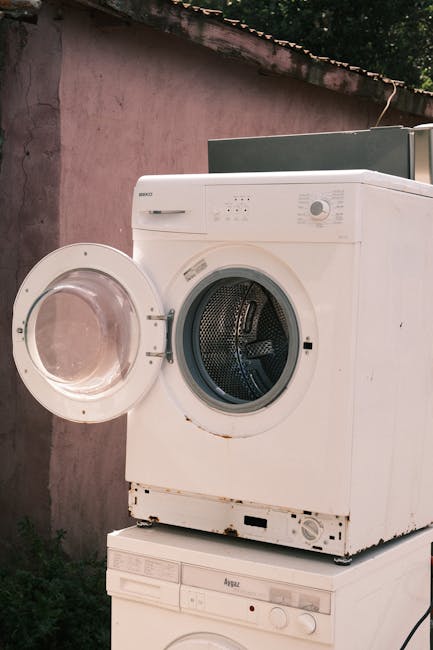
Who collects large appliance waste in SE8?
If you've got an old fridge, washing machine, cooker, tumble dryer, or dishwasher sitting in a hallway or out the back, you're probably asking the same practical question: who collects large appliance waste in SE8? The short answer is that collections are usually handled by a mix of local borough services, private waste removal teams, licensed rubbish clearance companies, and appliance retailers who offer take-back when they deliver a replacement.
The real answer, though, depends on your situation. Are you a homeowner clearing one heavy item? A landlord dealing with a tenancy turnover? Or a business trying to remove multiple units without causing disruption? Each route has different advantages, costs, and timing. And with bulky appliances, the details matter. One awkward stairwell, one fridge door that won't fit through the hall, and the whole job becomes more of a plan than a chore. To be fair, that's where good planning saves a lot of hassle.
This guide breaks down the options in plain English, explains what to expect in SE8, and helps you choose the most sensible collection method for your home or property. We'll cover how appliance waste collection works, what to avoid, what compliance issues to think about, and how to compare your choices without getting lost in jargon.
Table of Contents
- Why large appliance waste collection in SE8 matters
- How appliance waste collection works in practice
- Key benefits and practical advantages
- Who needs this service and when it makes sense
- Step-by-step guidance
- Expert tips for better results
- Common mistakes to avoid
- Tools, resources and recommendations
- Law, compliance and best practice
- Options and comparison table
- Case study or real-world example
- Practical checklist
- Conclusion
- Frequently asked questions
Why Who collects large appliance waste in SE8? Matters
Large appliance waste is not like tossing a broken kettle into a bin. Fridges, freezers, washing machines, ovens, range cookers, dishwashers, and similar items are bulky, heavy, and often awkward to move. Some also contain components that need careful handling, which is why proper collection matters in the first place.
In SE8, where homes, flats, conversions, and busy streets can make access tricky, the method you choose can affect everything from safety to convenience. If you've got steps, narrow doorways, controlled entry, or limited parking, the difference between "simple collection" and "absolute faff" can be a few minutes of planning. That's not an exaggeration.
It also matters because appliance disposal touches several concerns at once:
- Safety - heavy lifting can cause damage to floors, walls, or people if rushed.
- Compliance - appliances should be handled by reputable collectors and not dumped illegally.
- Convenience - a collection that fits your schedule is worth a lot when a broken washer is blocking a utility room.
- Environmental responsibility - appliances are often suitable for repair, reuse, or recycling rather than landfill.
There's also a time factor. A failed fridge isn't just an inconvenience; if food storage is affected, the pressure builds quickly. Likewise, in rental properties or commercial settings, a stranded appliance can slow down a turnover or create complaints from tenants. It all stacks up.
If you're also thinking about wider rubbish removal in the area, it can help to look at related services such as house clearance in London or bulk rubbish removal when the appliance is part of a bigger clear-out. That broader view often saves a second booking later on.
How Who collects large appliance waste in SE8? Works
In practical terms, large appliance collection usually works in one of four ways: council-style bulky waste collection, private waste removal, retailer take-back, or drop-off at an approved facility if you can transport the item yourself. The best choice depends on the appliance type, urgency, access, and whether you need the item removed from inside the property.
Here's the general process most people go through:
- Identify the appliance - fridge, freezer, washing machine, cooker, tumble dryer, dishwasher, or multiple items.
- Check access - stairs, lifts, parking, rear access, and whether the item needs disconnection first.
- Decide on collection type - one-off collection, same-day removal, or scheduled booking.
- Confirm what the service includes - labour, loading, disposal, recycling, and any call-out rules.
- Prepare the item - empty it, defrost freezers, isolate power, and make the route clear.
One important point: not every collection provider handles installation disconnection. Some do, some don't, and some only remove the appliance once it has been safely disconnected by the customer or a qualified person. That detail can catch people out, especially with cookers or integrated appliances.
When a provider offers a full removal service, they'll usually assess the item's weight, location, and whether two-person lifting is needed. This is where a good company stands out. They won't just say "yes, no problem" and hope for the best; they'll ask the right questions up front. That's a good sign, honestly.
If you need a broader household clearance alongside the appliance, a service like end of tenancy clearance can be useful when the old machine is only one part of a larger tidy-up. And if the job involves outdoor clutter too, garden waste removal may be worth combining with the same visit.
Key Benefits and Practical Advantages
Choosing the right large appliance waste collection option isn't just about getting rid of a broken machine. It can make the whole property feel calmer and safer, which sounds small until you're stepping around a dead washing machine every morning. Then it feels very real.
Some of the most useful benefits include:
- Faster space recovery - clearing bulky items creates immediate room in kitchens, utility areas, hallways, and garages.
- Less risk of injury - trained collectors use the right lifting methods and equipment.
- Cleaner disposal route - appliances can be directed toward reuse, refurbishment, or recycling where appropriate.
- Better property presentation - especially important for lettings, sales, or commercial premises.
- Reduced stress - you avoid trying to manoeuvre a heavy machine down stairs with a neighbour and a prayer.
There's also a hidden benefit many people miss: structured collection often reduces the chance of accidental damage. Fridges and washing machines are tougher than they look, but they're not exactly graceful to move. Chips in tiles, dents in walls, and scratched door frames are common when the job is improvised.
If you're comparing waste services more broadly, it can help to understand how local and private collections differ. A provider offering rubbish removal may be able to combine appliance disposal with other unwanted items in one visit, while a more specialised collection can be better for single heavy items that need careful handling.
Expert summary: The best appliance waste collection service is usually the one that matches the item, the access conditions, and your timing needs without adding hidden friction. Cheap is useful only if the item actually disappears safely and on schedule.
Who This Is For and When It Makes Sense
Large appliance waste collection in SE8 is relevant to a wide range of people. Some have one appliance at the end of its life. Others are dealing with a full property refresh. Different situations, same headache.
Homeowners and tenants
If your fridge has failed, the washer has started making that dreadful grinding noise, or the cooker simply isn't worth repairing, collection makes sense when the item is too heavy or awkward to move yourself. Tenants also benefit when they need to leave a property tidy and avoid leaving bulky waste behind.
Landlords and letting agents
In rentals, timing matters. Appliance removal often happens between tenancies, after an upgrade, or when a tenant reports a breakdown. A reliable collection option keeps void periods short and helps handovers run smoothly.
Tradespeople and property managers
Kitchen fitters, refurbishment teams, and property managers often need efficient removal of old units before new appliances go in. A single collection slot can keep the whole project moving.
Small businesses
Cafes, offices, salons, and workshops can all end up with redundant appliances. When a freezer, dishwasher, or under-counter unit is no longer usable, the business usually needs a compliant, tidy solution rather than a DIY attempt in the middle of a working day.
If you're in the middle of a bigger move or refresh, related services such as office clearance and loft clearance can be useful where appliances are only part of what needs to go. That sort of bundle often keeps things simpler. Less back and forth, less waiting around.
Step-by-Step Guidance
If you want the smoothest possible appliance removal, a bit of preparation makes all the difference. Here's the practical sequence that usually works best.
- List the appliance or appliances
Write down what needs to go. Include size, type, and whether it's integrated, freestanding, or stacked. - Check whether it still works
Even if it's broken, note any issues such as leaks, frost build-up, or damaged doors. Small details can affect handling. - Measure access points
Doorways, stairs, lifts, tight corners, and parking space all matter. A few centimetres can decide how the item is moved. - Decide on disconnection
Find out whether you need a plumber, electrician, gas-safe professional, or the collection provider to handle any disconnecting work. Don't assume. - Book a suitable collection window
Choose a slot that gives you time to clear the route and avoid rushing. - Prepare the item
Empty contents, defrost freezers, wipe out spills, and remove anything loose from inside. - Move fragile items out of the way
Coats on hooks, mirrors near the route, shoes in the hall, a lamp at ankle height - all worth shifting. - Confirm the final handover
Make sure the collector knows exactly what's being removed and where it is located.
If the appliance is in a basement, attic, or rear extension, say so early. That little detail changes the job a lot. A good collector would rather know now than discover it at the door with a fridge staring back at them like a stubborn piece of furniture.
When the property is packed, a related clearance service can help. For example, if appliance waste is part of a bigger declutter, waste clearance and garage clearance can make the whole process less fragmented.
Expert Tips for Better Results
These are the small things that improve appliance collection more than people expect. None of them are glamorous. All of them are useful.
- Defrost freezers early - a freezer with standing ice can leak as it's moved. Give it enough time to thaw safely.
- Unplug in advance - not only safer, but it avoids a last-minute scramble when the collection team arrives.
- Clear the route before the team arrives - leave enough space to turn corners and lift safely.
- Protect floors if needed - cardboard, old blankets, or proper floor protection can reduce scuffs.
- Ask about loading responsibility - some services include collection from inside, others expect curbside placement only.
- Be honest about condition - if the item is leaking, shattered, or partially dismantled, say so.
One practical insight: if you've got more than one bulky item, it's often cheaper and simpler to arrange them together rather than in separate visits. That's particularly true when access is awkward or parking is tight around SE8's busier streets. One slot. One lift plan. Less back-and-forth.
And if you're dealing with heavy removal alongside general clutter, a flexible team offering builders waste clearance can be helpful after a renovation or kitchen replacement, because old appliances and packaging often go hand in hand.
Common Mistakes to Avoid
Large appliance waste removal sounds straightforward until one detail is missed. Then it becomes the kind of job that drifts from "quick clear-out" to "why is this taking all morning?"
- Leaving disconnection too late - if a cooker, washer, or integrated unit needs specialist disconnection, arrange it early.
- Assuming every service takes everything - some providers handle only specific appliance types or won't collect from inside the property.
- Not checking access - a narrow stairwell or parking restriction can change the plan completely.
- Forgetting to defrost a freezer - water on the floor is a nuisance and a slip risk.
- Mixing appliance waste with unsuitable items - some services separate electricals, mattresses, or hazardous materials.
- Choosing purely on price - the cheapest quote may not include the labour or collection style you actually need.
A common mistake in SE8 properties is underestimating the route from the appliance to the vehicle. It might be only 20 metres, but if that includes a tight doorway, a turn, and a shared entrance, the job is more demanding than it first looked. Truth be told, that's where a lot of DIY efforts come unstuck.
If your clear-out involves more than appliances, services like flat clearance and house clearance styles of support can reduce the chance of booking the wrong thing twice. Small planning win, big difference.
Tools, Resources and Recommendations
You do not need specialist equipment for every job, but a few simple tools and habits make appliance removal much easier.
- Gloves - useful for grip and basic hand protection.
- Moving straps or trolleys - only if you know how to use them safely.
- Towels or absorbent cloths - helpful for defrosting fridges and freezers.
- Measuring tape - invaluable for checking door widths and corners.
- Phone camera - a quick photo can help a collector understand the setup before arrival.
On the service side, the most useful recommendation is to choose a provider that explains its process clearly. Look for signs that the company asks sensible questions about access, item type, and whether loading from inside is required. That usually says more than a flashy promise ever could.
For larger or mixed loads, a broader clearance option may be more practical than a single-item collection. If you're sorting out an entire room, property clearance can be a better fit than piecemeal removal. It depends on the scale of the job, really.
Law, Compliance, Standards, or Best Practice
Appliance waste is an area where good practice matters. You don't need to become a disposal expert, but you do want to avoid handing bulky electrical waste to someone who isn't set up to manage it properly.
In the UK, electrical and bulky waste handling is typically expected to follow established waste-management practices. In simple terms, that means using a responsible collection route, ensuring items are transferred to appropriate facilities, and avoiding fly-tipping or informal dumping. If a service seems vague about disposal, that's a red flag.
For appliances such as fridges and freezers, careful handling is especially sensible because of the materials and components involved. Some units may also need defrosting, safe isolation, or particular lifting methods. Cookers and integrated appliances can add another layer of care. Nothing dramatic, just proper handling.
Best practice usually includes:
- Using a reputable collector that understands bulky waste and electrical items.
- Keeping the item accessible so removal can happen without unsafe lifting.
- Separating general waste from appliance waste where needed.
- Confirming whether disconnection is included or must be arranged separately.
- Making sure the item is not left on the street unless that is specifically part of a booked collection arrangement.
When in doubt, ask clear questions before booking. What exactly is included? From where will the item be removed? Is labour included? What happens if the appliance is heavier than expected? Straight answers are usually a sign you're dealing with a professional setup.
Options, Methods, or Comparison Table
There is no single "best" way for everyone in SE8. The right choice depends on speed, cost, access, and how much work you want to do yourself. Here's a simple comparison to help you decide.
| Option | Best for | Pros | Watch out for |
|---|---|---|---|
| Local council-style bulky waste collection | Residents with one or two items and flexible timing | Simple, familiar, suitable for occasional disposal | May have booking limits, timing constraints, or collection rules |
| Private appliance removal company | Urgent jobs, awkward access, multiple appliances | Flexible, often faster, can include inside collection | Prices vary, so check what is included |
| Retailer take-back | Replacing an appliance at the same time | Convenient, works well during delivery swaps | Usually tied to a new purchase and specific delivery arrangements |
| Self-transport to a suitable facility | People with a vehicle and lifting support | Can be direct if you already have logistics in place | Heavy lifting, loading risk, and vehicle suitability |
If you want the least stressful route, a private team is often the most practical for bulky items in flats, terraces, or properties with awkward access. If you're replacing a single machine and the retailer offers removal, that can be neat and tidy. If you've got time on your side, a scheduled collection may be perfectly fine.
Case Study or Real-World Example
Here's a realistic example. A landlord in SE8 has a tenant moving out on Friday and a replacement washing machine being installed the following Monday. The old machine is in a first-floor flat, tucked beside a narrow bathroom door. There's also a small patch of water damage from a slow leak, so the floor needs careful handling.
The sensible approach is not to leave this until the weekend. First, the landlord confirms whether the appliance needs disconnecting. Then the route is measured, the hall is cleared, and a collection slot is booked for a time when parking is available. Because the machine sits upstairs and the access is awkward, a two-person lift is arranged rather than hoping one person can "just wheel it out".
The result? Less stress, no rushed lifting, and the property is ready for the new installation without a last-minute scramble. No drama. No extra damage. That's the kind of result people want, even if they rarely say it out loud.
In a different example, a cafe in SE8 replaces a back-of-house freezer after a fault. The old unit is too large to move during business hours, so it's removed early on a quieter morning. The owner bundles the appliance with a small amount of redundant packaging and a broken shelving unit. That combined booking is more efficient than separate collections and keeps the service disruption low.
Practical Checklist
Before collection day, run through this checklist. It saves time and avoids those awkward "oh, we forgot that bit" moments.
- Confirm the appliance type and size
- Check whether it still contains food, water, or other contents
- Defrost freezers and fridges early
- Unplug or isolate the appliance safely
- Arrange specialist disconnection if needed
- Measure doorways, stairs, and corridors
- Clear the route to the collection point
- Check parking and access for the vehicle
- Ask what the quote includes
- Keep the appliance area dry and unobstructed
- Take a quick photo if the access looks unusual
- Confirm whether you want only the appliance removed or a broader clearance too
If you can tick all of those off, you're already ahead of most last-minute collections. A little prep goes a long way, especially in a busy part of London where timing can be tighter than you planned.
Conclusion
So, who collects large appliance waste in SE8? In practice, it's usually a local bulky waste service, a private clearance company, a retailer take-back arrangement, or a disposal route tied to a larger clearance job. The best option depends on how quickly you need the item gone, how awkward the access is, and whether the appliance needs special handling.
If you only remember one thing, make it this: the right collection service should make the job feel easier, not more complicated. Ask clear questions, prepare the route, and choose the option that fits the actual property conditions rather than the ideal version in your head. That saves time, money, and a fair bit of frustration.
Get a free quote today and see how much you can save.
And if the appliance removal is part of a bigger clear-out, it's often worth tackling the whole lot in one go. That way, the space clears properly, the job feels finished, and you can move on with less noise in the background. A tidy room does have a way of making everything else feel lighter.
Frequently Asked Questions
Who collects large appliance waste in SE8?
Large appliance waste in SE8 is usually collected by local bulky waste services, private rubbish removal companies, retailer take-back services, or clearance teams that handle appliances as part of a larger job. The right option depends on the item, access, and how quickly you need it removed.
Can I put a fridge or washing machine out for normal collection?
Usually not. Large appliances need a proper collection route because they are bulky, heavy, and often need controlled handling. Leaving them out without a booked service can create safety issues and may not be accepted for ordinary waste collection.
Do appliance collectors in SE8 remove items from inside the property?
Some do, some don't. It's one of the first things you should confirm before booking. Inside collection is especially useful for flats, upper floors, and homes with tight hallways, but not every service includes labour to move the item from the room.
Do I need to defrost my freezer before collection?
Yes, it's strongly recommended. Defrosting helps prevent water leakage during removal and makes the item safer to move. If the freezer still holds ice or frozen contents, the job becomes messier and more awkward than it needs to be.
Can old kitchen appliances be collected with other rubbish?
Often, yes. Many providers can combine appliance removal with other unwanted items, such as packaging, broken furniture, or general clutter, depending on what they accept. If you've got several things to clear, a broader service may be more efficient.
What happens to collected appliances after removal?
That depends on the provider and the condition of the item. Some appliances may be suitable for reuse or refurbishment, while others are sent for appropriate recycling or disposal. A reputable collector should be clear about how they handle waste.
Is it cheaper to remove one appliance or several at once?
In many cases, removing several items in one visit is more efficient than booking separate collections. The exact price depends on access, item type, and labour involved, but combining items often makes practical sense.
Do I need to disconnect a cooker or integrated appliance myself?
Not always, but you should never assume it's included. Some appliances need specialist disconnection, and some services require them to already be safely isolated before collection. Ask before the booking is confirmed.
What should I check before booking large appliance waste removal in SE8?
Check the appliance type, size, access route, parking, whether the item needs disconnection, and what the quote includes. Those five details usually tell you whether the collection will be straightforward or require more planning.
Can landlords arrange appliance waste collection between tenancies?
Yes, and it's a very common use case. Landlords and letting agents often book collections between tenancies to clear old appliances before cleaning, decorating, or installing replacements. It keeps the turnaround moving and avoids delays.
What if the appliance is too heavy to move safely?
Then don't force it. Heavy appliances are exactly why professional collection exists. Use a service with the right lifting support and equipment rather than risking damage to the property or injury to yourself.
How do I choose the right collection service for my property?
Choose based on access, speed, and whether you need inside removal. For a simple swap, retailer take-back may be enough. For awkward flats, multiple items, or urgent removal, a private collection team is often the most practical option.