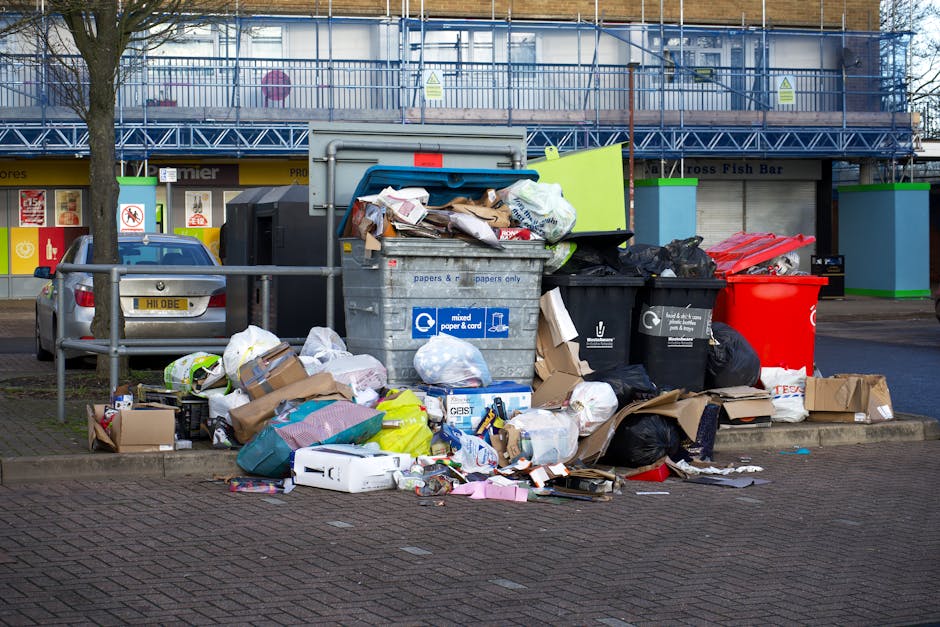
Office clearance in Deptford for organised, responsible workspace removal

Office clearance in Deptford needs to be handled with care, especially when a workspace contains mixed items, confidential materials and bulky fixtures that cannot simply be shifted without planning. Our service is designed to remove office contents in a tidy, methodical way, helping businesses, landlords and property managers clear desks, chairs, storage, small electricals and general office clutter while keeping the process straightforward. The aim is practical: create an empty, workable space without turning the day into a disruption.
We handle office clearance work with attention to what can be reused, separated for recycling or taken away as mixed waste. That means a typical clearance may involve working through furniture, filing units, redundant equipment and assorted items gathered over time. Good clearance is not just about lifting items out; it also means deciding what belongs in each stream, what needs extra care and what can be removed in a controlled way. For customers in Deptford, that can make the difference between a rushed clear-out and a clean handover.
To request a quotation, the most useful first step is to outline the size of the office, the types of items involved and any access limits such as stairs, narrow corridors or loading restrictions. If there are specialist pieces, fixed fittings or records that need particular handling, mention those early. You can also use our pricing and quotes page for a clearer view of how enquiries are prepared before you decide how to proceed.
What our office clearance service covers

Office clearances are rarely limited to a single type of item. One room may contain desks and task chairs, while another holds cabinets, packing materials, printers or monitor stands that no longer serve a purpose. Our work covers the removal of common office contents and the sort of mixed items that build up in working premises, shared suites and back rooms. That includes clearing furniture, separating suitable materials where possible and removing loose items that would otherwise slow down a handover.
Where an office is being vacated, reconfigured or reduced in size, the service can be adapted to the contents in the space rather than forcing a one-size-fits-all approach. A compact office may only need a few items collected, while a larger floor may require a more structured clearance of multiple areas. If you are comparing options, it is worth thinking about whether the job is mainly furniture removal, a fuller strip-out of moveable contents or a combination of both. A dedicated office clearance page can be useful when the priority is a full workplace emptying job.
Because office interiors differ so much, we focus on workable, visible categories rather than vague promises. Items often need to be grouped by size, material and condition before they leave the premises. That may include reusable office furniture, worn-out storage, mixed bagged waste and miscellaneous items stored in cupboards or under desks. The more clearly the contents are described, the easier it is to plan the work and decide how the clearance should be carried out.
Furniture, fittings and bulky items

Desks, meeting tables, filing cabinets and shelving often define the scale of an office clearance more than the loose waste does. Those larger items can require more careful handling, especially where there are lifts, tight turns or shared access routes. Our furniture removal work is intended for those kinds of heavy or awkward pieces, helping to keep the clearance orderly and reduce the chance of damage to walls, floors or door frames.
There are also smaller but still important fixtures to think about. Pedestals, reception furniture, cupboards, partitions that can be taken out safely and old seating all take time to remove properly. When a room contains a mix of office furniture and general waste, the clearance is usually more efficient if the bulky items are identified in advance. That allows the work to be planned around what needs dismantling, what can be carried out intact and what may need to be separated on site. If furniture is your main concern, the furniture clearance page gives a useful route into that type of removal.
For some premises, furniture disposal is the final stage of a bigger move, while for others it is the core of the job. In either case, the work needs to be organised around access and the condition of the furniture itself. Heavier pieces may need extra handling, and damaged items can break apart if they are dragged rather than lifted correctly. A sensible clearance approach keeps the movement controlled from start to finish, especially in premises where a polished finish is expected after the furniture has gone.
Clearance for desks, storage and equipment
Office clearance can also involve the items that sit around a workspace rather than the main furniture alone. Storage boxes, wall-mounted holders, printers, obsolete accessories and mixed supplies often accumulate in cupboards, under tables and in shared storage areas. Clearing these items takes judgment, because not everything in an office has the same disposal route. Some pieces are recyclable, some are suitable for separate collection and some simply need to be removed as mixed office waste.
Where computer peripherals or electrical equipment are present, the clearance should be organised so that those items are not treated as ordinary furniture. Even when a business is mainly looking to empty the room, it is helpful to think about what is inside the room before the work starts. Clear descriptions reduce unnecessary handling, and they also make it easier to estimate how the office can be cleared in a single visit or as part of a staged process. If the job includes redundant workplace equipment, our waste removal page is a sensible reference point for broader mixed-load work.
Some clearances are straightforward because the contents are already grouped and ready, while others require more sorting as the team works through cupboards, shelving and storage corners. A clear distinction between furniture, equipment and general contents usually helps the process move more smoothly. It also means the job can be tailored to the actual state of the office rather than to an assumed layout that may no longer exist.
Planning a smooth office handover

When an office needs to be handed back, re-let or prepared for refurbishment, the clearance often has to be done to a firm schedule. That does not mean the work should be hurried; it means the items should be removed in a way that supports the next stage. A practical plan usually starts with the rooms that contain the heaviest items, then moves through storage areas, smaller offices and communal spaces. This kind of sequence helps avoid bottlenecks and keeps the clearance consistent.
If you are arranging an office handover, it helps to know which contents are staying, which are going and whether anything needs to be separated before removal day. Short written notes or a simple room-by-room list can make a notable difference. Please include the approximate amount of furniture, any access constraints and whether the office contains a mix of reusable and worn-out items. We can then approach the clearance in a way that suits the actual layout and keeps unnecessary handling to a minimum. For broader workplace removals, the business waste removal page is also relevant when the job extends beyond furniture alone.
Office handovers often depend on making the space presentable once the main items are gone. For that reason, the clearance sequence should leave the area ready for the next contractor, landlord inspection or cleaning stage. The more clearly the load is described beforehand, the more reliably the work can be matched to the space, especially where several rooms or departments are involved.
Office conditions, access and practical limits

Not every office sits in a simple ground-floor setting. Some are above shops, some share access with other occupiers and some include narrow corridors or awkward internal layouts. These details matter because they affect how furniture and contents can be moved safely. Stairwells, lift sizes, loading arrangements and restricted entrances can all influence the order in which items are removed. A well-planned clearance takes those constraints seriously rather than treating them as afterthoughts.
There are also practical limits that arise from the items themselves. Large cabinets may need to be emptied before moving, fragile shelving may need slower handling and mixed piles of paper, packaging and broken fixtures can be more time-consuming than they first appear. If the clearance includes old fittings or items fixed close to walls, it is worth being specific about that from the outset. In many cases, the simplest way to prepare is to identify what is accessible, what is awkward and what requires extra care, then let the scope of the work follow from that. You can also review our office clearance service information if the job centres on a full premises emptying rather than a small collection.
When access is tight, accurate descriptions are more useful than broad assurances. That is because the right clearance method depends on the building and the contents together. A small office with easy access may be quick to empty, while a similar-sized room with restricted corridors may need more careful movement and more time for loading. A clear picture of the space helps us shape the work properly.
Sorting reusable items, recycling and responsible disposal
Office clearance is not just about moving items away from a site; it is also about deciding which materials can be separated sensibly. Some furniture may be suitable for reuse, some items may be broken down for material recovery and some mixed contents may need to be carried away together. The important point is that the clearance is handled in an organised way, with each group of items treated according to its type rather than thrown into one blanket approach.
Responsible disposal becomes particularly relevant when offices contain a combination of furniture, packaging, filing materials and obsolete equipment. A recycling and sustainability page can provide additional context for customers who want to understand how different waste streams are treated. In practical terms, this means considering what can be separated during the clearance itself and what should be loaded for onward handling as mixed material. Separation before disposal is often the step that keeps the job tidy and avoids unnecessary waste of useful materials.
Where items are no longer suitable for use, the aim is still to remove them in a controlled, orderly way. That applies just as much to damaged desks and worn office chairs as to boxes of redundant supplies. By setting out the contents clearly at the start, customers can make it easier to decide whether the clearance should lean towards reuse, recycling or general removal, and the work can then follow the most practical route.
Common office contents and how they are handled
A typical office clearance may involve several types of contents at once. The main categories often include furniture, storage, paper-based waste, mixed equipment and miscellaneous items collected over time. Each needs a slightly different approach. Furniture is usually the most visible part of the job, but it is often the smaller loose items that determine how long the clearance takes and how much sorting is required once the rooms are emptied.
- Desks, chairs and meeting tables that need full removal
- Storage cabinets, shelving and pedestals from work areas or side rooms
- Printers, accessories and assorted office equipment
- Paper files, packaging and general contents from cupboards or drawers
- Loose items that have built up in reception areas, stores or staff spaces
It is usually best to think about the office in sections rather than as one undifferentiated load. That helps with planning and also makes it easier to identify what should be taken first. If the job involves a blend of furniture and site waste, our furniture disposal page may be useful, particularly where the furniture itself is the main part of the clearance and the rest is secondary.
About Deptford
Deptford lies in south-east London on the south bank of the River Thames, within the London Borough of Lewisham, and it has long been associated with maritime history, dockyard activity and urban change. The area’s development was shaped by its river access and by the growth of the Royal Dockyard at Deptford, established in the early sixteenth century and later becoming one of the most important naval sites in England. Although the dockyard closed in the nineteenth century, that history remains visible in the local street pattern, the surviving riverside edge and the broader character of the district, where older industrial land sits alongside newer housing and active town-centre uses.
Getting ready for an enquiry
For a practical quotation, it helps to describe the office size, the main types of contents and any access details in one clear message. If you know that certain rooms are full, half-cleared or already sorted, say so; that context is often more useful than a broad estimate. A simple note about floors, lifts, loading access and whether the premises are occupied can also help shape the clearance approach before work is arranged.
If you are deciding what to include, start with the items that take the most space or create the most handling. That usually means desks, chairs, cabinets and any bulky storage, followed by smaller materials that remain once the main furniture has been removed. Where the premises contain a mix of office contents and general waste, the best quotation usually comes from a description that separates those elements rather than compressing them into one line. For a direct next step, contact us when you are ready to outline the job and request a quotation.
We keep the enquiry process simple: give a clear description, mention anything awkward or restricted, and identify whether the clearance is part of a move, a refurbishment or a full handover. That is usually enough for the work to be scoped sensibly. If you want to compare the wider site options first, our about us page can sit alongside the service pages, but the main thing here is to start with a clear description of the office contents and the space they are in.