Comprehensive Guide to Business Waste Removal in Deptford
Understanding Business Waste Removal

In the bustling hub of Deptford, maintaining a clean and efficient workspace is paramount for any business. **Business waste removal** plays a crucial role in ensuring that companies operate smoothly, comply with regulations, and contribute positively to the environment.
Effective waste management not only enhances the aesthetic appeal of your business premises but also fosters a healthier workplace for employees. Moreover, responsible waste disposal can lead to significant cost savings and improve your company's reputation.
Deptford businesses face unique challenges when it comes to waste removal, including limited space, strict environmental regulations, and the diverse types of waste generated by different industries. Understanding these challenges is the first step towards developing a robust waste management strategy.
Types of Business Waste

Businesses generate a variety of waste types, each requiring specific handling and disposal methods. Common categories include:
- General Waste: Non-recyclable and non-hazardous materials such as packaging, food scraps, and office paper.
- Recyclable Waste: Materials like paper, cardboard, plastics, glass, and metal that can be reprocessed and reused.
- Hazardous Waste: Dangerous substances including chemicals, batteries, and electronic waste that require specialized disposal.
- Electronic Waste (E-Waste): Discarded electronic devices such as computers, printers, and smartphones.
- Construction and Demolition Waste: Debris from building projects, including concrete, wood, and metals.
Proper categorization of waste is essential for compliance with local regulations and to promote environmental sustainability. Businesses in Deptford must ensure they are correctly identifying and disposing of each waste type to avoid penalties and support green initiatives.
Why Choose Professional Waste Removal Services
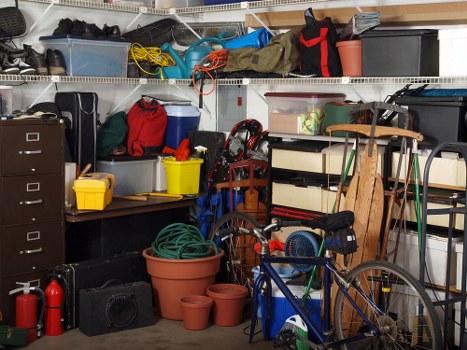
Opting for professional business waste removal services in Deptford offers numerous advantages:
- Compliance: Professionals are well-versed in local and national waste disposal regulations, ensuring your business remains compliant.
- Efficiency: Expert waste removal teams can handle large volumes swiftly, minimizing disruption to your operations.
- Cost-Effectiveness: Outsourcing waste management can reduce overhead costs associated with storage, transportation, and disposal.
- Environmental Responsibility: Professional services prioritize recycling and sustainable disposal methods, enhancing your company's green credentials.
- Health and Safety: Proper waste handling reduces the risk of accidents and exposure to hazardous materials in the workplace.
Investing in a reliable waste removal service not only streamlines your operations but also demonstrates a commitment to environmental stewardship and corporate responsibility.
Choosing the Right Waste Removal Service in Deptford

Selecting a trustworthy waste removal partner involves several key considerations:
- Experience and Expertise: Look for companies with a proven track record in handling various waste types specific to your industry.
- Licensing and Certifications: Ensure the service provider holds necessary permits and adheres to regulatory standards.
- Range of Services: Comprehensive services, including recycling, hazardous waste management, and scheduled pickups, offer greater convenience.
- Customer Reviews and Reputation: Positive feedback and testimonials indicate reliability and quality service.
- Pricing Structure: Transparent and competitive pricing without hidden fees is crucial for budgeting and cost management.
By meticulously evaluating these factors, businesses in Deptford can select a waste removal service that aligns with their operational needs and sustainability goals.
Implementing an Effective Waste Management Plan
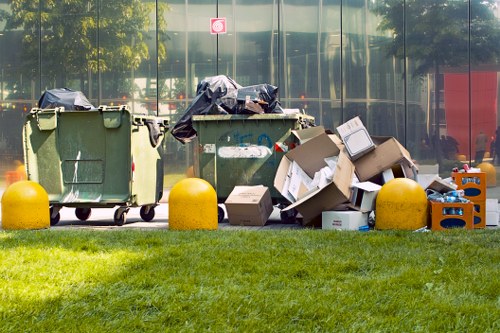
Developing a structured waste management plan is essential for optimizing waste removal processes. Key steps include:
- Waste Audit: Assess the types and volumes of waste your business generates to identify areas for improvement.
- Set Clear Goals: Define objectives such as reducing waste, increasing recycling rates, or minimizing disposal costs.
- Employee Training: Educate staff on proper waste segregation, handling procedures, and the importance of waste reduction.
- Choose the Right Vendors: Collaborate with waste removal services that support your sustainability initiatives.
- Monitor and Review: Regularly evaluate the effectiveness of your waste management plan and make necessary adjustments.
An effective waste management plan not only enhances operational efficiency but also contributes to environmental conservation and corporate social responsibility.
Cost Factors in Business Waste Removal
Understanding the cost components associated with waste removal can help businesses budget effectively. Factors influencing costs include:
- Volume of Waste: Larger quantities typically incur higher disposal fees.
- Type of Waste: Hazardous and specialized waste require more expensive handling and disposal methods.
- Frequency of Collection: More frequent pickups may increase costs but ensure timely waste removal.
- Transportation Distance: Greater distances from disposal sites can lead to higher transportation fees.
- Recycling Services: Utilizing recycling options can sometimes offset disposal costs through rebates or lower fees.
By analyzing these cost factors, businesses in Deptford can make informed decisions to balance their waste management needs with their financial constraints.
Environmental Impact of Waste Removal
Proper waste removal significantly impacts the environment. Key environmental benefits include:
- Reduced Landfill Usage: Efficient disposal and recycling minimize the burden on landfill sites.
- Resource Conservation: Recycling conserves natural resources by reusing materials.
- Lower Greenhouse Gas Emissions: Proper waste handling reduces emissions from decomposition and transportation.
- Pollution Prevention: Safe disposal of hazardous waste prevents soil and water contamination.
- Biodiversity Protection: Minimizing waste reduces habitat destruction and supports ecosystem health.
Businesses have a pivotal role in mitigating environmental impact through responsible waste management practices, contributing to a sustainable future for Deptford and beyond.
Regulatory Compliance in Deptford
Adhering to waste management regulations is essential for businesses to avoid legal repercussions and maintain operational licenses. Key regulatory considerations include:
- Local Ordinances: Deptford has specific rules governing waste disposal, recycling mandates, and prohibited materials.
- National Standards: Compliance with broader regulations such as the Environmental Protection Act ensures nationwide adherence.
- Reporting Requirements: Some businesses must provide regular reports on waste generation and disposal activities.
- Permits and Licenses: Obtaining necessary permits for waste transport and disposal is crucial.
- Inspections and Audits: Regular inspections ensure ongoing compliance and identify areas for improvement.
Staying informed about and compliant with these regulations safeguards businesses from fines and supports sustainable waste management practices.
Innovative Waste Removal Solutions
Advancements in waste management technology offer innovative solutions for businesses looking to enhance their waste removal processes:
- Automated Sorting Systems: Technology-driven sorting improves recycling efficiency and reduces human error.
- Waste-to-Energy Technologies: Converting waste into energy sources like electricity or heat provides sustainable disposal options.
- Smart Waste Bins: Connected bins monitor waste levels in real-time, optimizing collection schedules.
- Biodegradable Packaging: Utilizing eco-friendly packaging reduces overall waste production.
- Data Analytics: Leveraging data helps businesses track waste generation patterns and identify reduction opportunities.
Implementing these innovative solutions can streamline waste management, reduce environmental impact, and foster a culture of sustainability within your business.
Case Studies: Successful Waste Removal in Deptford
Several businesses in Deptford have successfully implemented effective waste removal strategies, yielding significant benefits:
- TechCorp Ltd.: By partnering with a specialized e-waste recycler, TechCorp reduced its electronic waste by 70% and reclaimed valuable materials.
- GreenGrocers: Implementing a comprehensive recycling program, GreenGrocers diverted 80% of its waste from landfills, enhancing its reputation as an environmentally responsible retailer.
- BuildRight Construction: Adopting waste-to-energy solutions, BuildRight minimized its construction debris on-site and generated additional energy for operations.
These case studies highlight the tangible advantages of proactive waste management, demonstrating improved efficiency, cost savings, and environmental stewardship.
Future Trends in Business Waste Removal
The landscape of business waste removal is continually evolving, with several emerging trends shaping the future:
- Circular Economy: Emphasizing reuse and recycling to create closed-loop systems that minimize waste.
- AI and Machine Learning: Enhancing waste sorting accuracy and predicting waste generation patterns.
- Zero Waste Initiatives: Striving for complete waste elimination through innovative design and process optimization.
- Enhanced Sustainability Reporting: Increasing transparency in waste management practices to meet stakeholder expectations.
- Collaborative Waste Management: Partnering with other businesses and communities to leverage shared resources and solutions.
Staying abreast of these trends enables businesses in Deptford to proactively adapt their waste management strategies, ensuring long-term sustainability and operational excellence.
Benefits of Local Waste Removal Services
Choosing a local waste removal service in Deptford offers several distinct benefits:
- Quick Response Times: Local providers can offer faster service, addressing waste removal needs promptly.
- Community Support: Partnering with local businesses fosters community growth and economic development.
- Environmental Impact: Shorter transportation distances reduce carbon emissions and fuel consumption.
- Personalized Services: Local companies are more likely to tailor their services to meet specific business requirements.
- Regulatory Knowledge: Familiarity with local regulations ensures compliance and efficient waste management.
Opting for a local service provider not only enhances operational efficiency but also contributes to a sustainable and thriving community in Deptford.
Implementing Recycling Programs
Recycling is a pivotal component of effective waste management. Implementing targeted recycling programs can yield substantial benefits for businesses:
- Cost Savings: Reducing waste disposal needs can lower overall waste management expenses.
- Resource Efficiency: Recycling conserves raw materials, supporting sustainable production processes.
- Enhanced Reputation: Demonstrating a commitment to recycling boosts your company's image among customers and stakeholders.
- Compliance: Meeting local recycling mandates helps avoid legal penalties and fosters regulatory compliance.
- Employee Engagement: Involving staff in recycling initiatives promotes a culture of sustainability within the workplace.
By integrating recycling into your waste management strategy, your business can achieve environmental and economic objectives while fostering a responsible corporate ethos.
Technological Solutions for Waste Management
Leveraging technology can significantly enhance your business's waste removal processes:
- Waste Tracking Software: Monitor waste generation and disposal, providing valuable insights for optimization.
- Automated Collection Systems: Streamline waste pickup operations, reducing manual labor and increasing efficiency.
- Data Analytics: Analyze waste patterns to identify reduction opportunities and implement targeted strategies.
- Mobile Applications: Facilitate real-time communication with waste removal providers and track service schedules.
- IoT Devices: Implement smart sensors to monitor waste levels and optimize collection routes.
Embracing these technological advancements can revolutionize your waste management approach, leading to increased efficiency, reduced costs, and enhanced sustainability.
Training Employees on Waste Management
Employee involvement is crucial for the success of any waste removal strategy. Key training areas include:
- Waste Segregation: Teaching staff how to properly separate different waste types to facilitate recycling and safe disposal.
- Handling Hazardous Materials: Ensuring employees understand the risks and protocols associated with hazardous waste.
- Reducing Waste Generation: Encouraging practices that minimize waste production, such as digital documentation and efficient resource use.
- Recycling Best Practices: Providing guidance on effective recycling techniques and the importance of participation.
- Compliance Training: Educating staff on relevant regulations and the importance of adhering to waste management policies.
Investing in employee training fosters a culture of responsibility and ensures that waste removal processes are effectively implemented and maintained.
Sustainable Waste Disposal Methods
Adopting sustainable disposal methods is essential for minimizing environmental impact. Key methodologies include:
- Recycling: Processing used materials to create new products, reducing the need for raw materials.
- Composting: Converting organic waste into nutrient-rich compost for agricultural and landscaping use.
- Waste-to-Energy: Generating energy through the incineration of waste, providing a renewable energy source.
- Landfill Diversion: Minimizing the amount of waste sent to landfills through reduction, reuse, and recycling strategies.
- Biodegradable Materials: Utilizing materials that decompose naturally, reducing long-term environmental impact.
Implementing these sustainable disposal methods not only protects the environment but also aligns your business with global sustainability goals.
Maximizing Efficiency in Waste Removal
Enhancing efficiency in waste removal processes can lead to significant operational improvements. Strategies include:
- Optimized Collection Schedules: Aligning waste pickup times with business operations to minimize disruptions.
- Proper Waste Segregation: Ensuring accurate separation of waste types to streamline disposal and recycling processes.
- Investing in Reusable Containers: Reducing the reliance on single-use containers to minimize waste generation.
- Regular Audits: Conducting periodic reviews of waste management practices to identify and address inefficiencies.
- Employee Incentives: Rewarding staff for active participation in waste reduction and recycling initiatives.
By implementing these efficiency-maximizing strategies, businesses can reduce waste-related costs and contribute to a more sustainable operational model.
Legal Implications of Improper Waste Disposal
Failing to adhere to proper waste disposal protocols can have serious legal consequences for businesses:
- Fines and Penalties: Non-compliance with waste disposal regulations can result in substantial financial penalties.
- Legal Liability: Improper disposal can lead to lawsuits, especially if it results in environmental damage or health hazards.
- Revoked Licenses: Businesses may lose operational licenses if found in violation of waste management laws.
- Reputation Damage: Negative publicity from improper waste handling can harm a company's public image and customer trust.
- Operational Disruptions: Legal issues can disrupt business operations and lead to increased scrutiny from regulators.
Ensuring compliance with waste disposal laws is not only a legal obligation but also a critical aspect of responsible business management.
Eco-Friendly Practices in Waste Removal
Adopting eco-friendly waste removal practices demonstrates a commitment to environmental sustainability. Key practices include:
- Reducing Single-Use Plastics: Minimizing the use of disposable plastics to lower plastic waste generation.
- Promoting Digital Documentation: Transitioning to digital records reduces paper waste.
- Implementing Green Procurement Policies: Sourcing sustainable materials and products to decrease overall waste.
- Supporting Local Recycling Programs: Engaging with community recycling initiatives to enhance waste processing efficiency.
- Encouraging Waste Minimization: fostering a culture that prioritizes reducing waste at the source.
Incorporating these eco-friendly practices not only benefits the environment but also strengthens your business's sustainability profile.
Conclusion: Elevating Your Business with Effective Waste Removal
**Business waste removal in Deptford** is a critical component of operational efficiency, regulatory compliance, and environmental stewardship. By understanding the types of waste, choosing the right waste removal services, implementing comprehensive waste management plans, and embracing sustainable practices, businesses can achieve significant benefits.
Investing in professional waste removal services not only streamlines your operations but also positions your company as a responsible and sustainable entity within the Deptford community. As environmental concerns continue to rise, proactive waste management strategies will be increasingly vital for long-term business success.
**Contact us today** to learn how our expert waste removal solutions can help your business thrive while contributing to a cleaner, greener Deptford. **Book your service now** and take the first step towards a more efficient and sustainable waste management system.
